Compendium
Classes of Farever
Four launch classes, one weapon-driven Arsenal system. Pick a calling, then bend it to your will with hybrid loadouts.
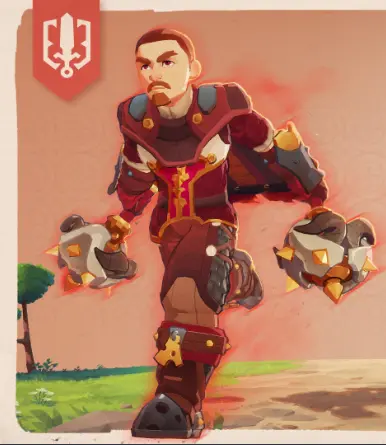
Warrior
Melee Tank / DPS
Sturdy front-line brawler. Build Rage by fighting, spend it on devastating physical strikes.
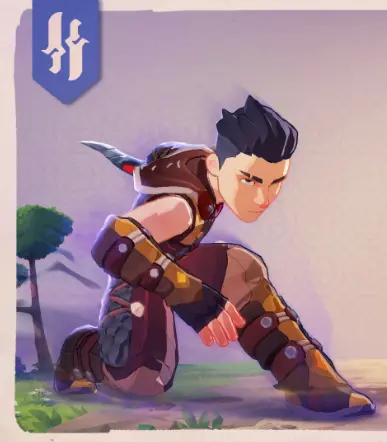
Rogue
Burst DPS / Skirmisher
Fast, agile striker. Rotate attacks to build Combo Points, then unleash devastating Finishers.

Mage
Ranged Spellcaster
Ranged spellcaster built around Spark, Conduits, and tight resource timing.
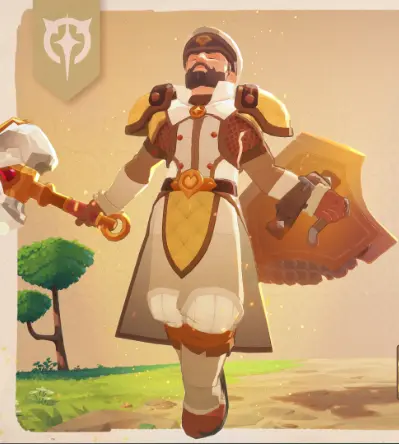
Priest
Healer / Divine Support
Divine support and healer. Stack Prayers, then unleash them all in one Judgement nova.
Core Systems
Unlocked around Level 7. Equip a secondary weapon and slot one of its skills or passives — the foundation for every great hybrid build.
Weapons grant the bulk of your active skills. Gear overlaps between classes, so you can mix freely for custom playstyles.
Open up around Level 10. Spend points on passives, poisons (Rogue), and identity-defining nodes.
Right-click runes on the skill screen to add bonuses to class skills — yet another layer of build customization.
Every class runs on its own resource — Rage, Combo Points, Spark, or Prayers — for distinct, satisfying combat loops.
Monk and Druid are on the roadmap. Not yet playable in Early Access (Level 20 cap).
Class Primer
Picking a class you'll still want at level 30
Class choice is the only permanent decision character creation forces on you. Race is cosmetic, server is your social circle (and transferable), weapons swap on the fly through the Arsenal system, and even your professions can be re-trained. So this one matters. Below is the honest read on how each launch class actually feels to play once the tutorial polish wears off.
The four callings, without the marketing copy
Warrior — the forgiving frontline
Highest baseline survivability, best self-sustain in solo play, and the most generous "did I press the buttons in the right order" window of any class. The tradeoff is that Warrior's interesting decisions live in their Arsenal pairings — base-kit play is fine but never thrilling. Pick if you're new to MMOs, or if you want a class that lets you focus on positioning and timing rather than rotation memorization.
Rogue — the high-ceiling skirmisher
Fastest solo clear in the game once you learn dodge-canceling and weapon swaps. Fragile in dungeons until you trust your party's tank. Rogue's skill ceiling is measurable — a good Rogue out-DPSes a good Mage by 15–20% on single targets; a bad Rogue dies to ambient damage. Pick if you like positional combat and don't mind dying a lot in week one.
Mage — the AoE specialist
Biggest numbers on tab-target trash, real mana management to think about, and the class with the most distinct flavor differences between weapon Arsenals (a focus Mage and a staff Mage are practically different classes). Hits its stride after the second Arsenal unlock around level 20. Pick if you like rotations and theorycrafting.
Priest — the social passport
Healers get instant dungeon invites for the entire game. Solo leveling is the slowest of the four until you slot a damage Arsenal, but once you do it's comfortable. Pick if your friends already play Farever and need a healer, or if you want to never wait in a queue.
The Arsenal system, briefly
Every class has a primary weapon set and unlocks Arsenal slots (second and third weapons) as they level. Arsenal weapons slot a subset of their skills onto your bar, which lets you hybridize: tank-mage, healer-rogue, glass-cannon warrior. This is where Farever's build variety actually lives, and it's the reason we keep telling new players not to reroll just because they're bored at level 6 — your second weapon at level 8 fixes that. The weapons page lists every weapon, its full skill roster, and which classes can pick it up.
Where to read more
For the first-character walkthrough, see the beginner's guide. For leveling routes by region, see the leveling-zones guide. For how to gear cheaply off the player market once you know your build, see the trading guide.